Pepper & chilli pests and diseases — the organic way
Pepper pests in Zimbabwe explained — aphids, thrips, red spider mite, cutworm, bacterial spot and wilt, anthracnose and damping-off — with organic, IPM-first control and the scouting thresholds that tell you when to act.
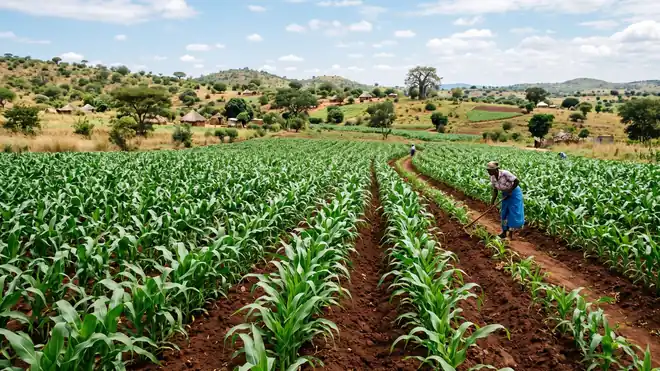
Peppers and chillies are slow, stress-sensitive growers on a long cropping cycle — so any pest or disease that gets a foothold has months to do damage before harvest ends. Organic-first, in order: prevent with sanitation, rotation and clean seed; scout on a fixed schedule and act on a real threshold, not a hunch; go cultural and biological before chemical; reserve copper or any synthetic spray for when pressure genuinely demands it.
Growing the crop from scratch? Start with the full lifecycle guide: growing peppers & chillies in Zimbabwe.
At a glance
| Threat | Type | Action threshold / first response | Spray acceptable? |
|---|---|---|---|
| Aphids | Sap-sucking insect | ~50% leaves infested or 3–4 aphids/plant | Soapy water or neem oil first (HortiFresh) |
| Thrips | Sap-sucking insect | Twice-weekly scouting of seedling and flowering stages | Cultural + resistant varieties first (HortiFresh) |
| Red spider mite (two-spotted) | Sap-sucking mite | 8–14 mites per leaf | Miticide only once threshold reached (HortiFresh) |
| Cutworm | Soil-dwelling caterpillar | 1 larva per 100 plants; rarely economic | Late-afternoon spray only if threshold met (HortiFresh) |
| Fruit borers / fall armyworm crossover | Caterpillar | Scout fruit and growing points from first flowers | Targeted insecticide, later-line (Seed Co) |
| Bacterial spot | Bacterial (Xanthomonas) | Rogue infected seedlings; avoid overhead water | Copper as protectant, not cure (HortiFresh) |
| Bacterial wilt | Bacterial (Ralstonia) | Pull & destroy; rotate 3–4 seasons | No — no spray cure (WorldVeg) |
| Anthracnose | Fungal (Colletotrichum) | Sanitation, resistant cultivars, seed treatment | Copper protectant if pressure is high (CABI) |
| Damping-off (nursery) | Soil-borne fungal | Treated seed; no nitrogen once true leaves appear | Fungicide drench, last resort (Seed Co) |
Prevention beats every cure
- Never follow tomato, eggplant or another pepper crop with peppers. All Solanaceous crops share pest and disease problems (Seed Co). Rotate with maize, sorghum, onion or garlic — all named break crops for bacterial wilt and anthracnose (HortiFresh; WorldVeg).
- Use pathogen-free seed and healthy transplants — the first prevention step for bacterial wilt, bacterial spot and anthracnose alike (HortiFresh).
- Water at the base, never overhead, or at minimum finish irrigating early enough that foliage dries before nightfall — named control for bacterial spot, cercospora and anthracnose (HortiFresh). See drip irrigation on a budget.
- Scout twice a week — leaves, stems and fruit — to catch pressure before it reaches threshold (HortiFresh).
- Sanitise and destroy debris. Deep ploughing or burning residues after harvest, and roguing infected plants on sight, is named prevention across bacterial spot, anthracnose, cercospora and bacterial wilt (HortiFresh).
Aphids, thrips and red spider mite
Aphids suck sap and cause stunting, leaf curl and yellowing — but their real threat is usually the virus diseases they transmit (HortiFresh). Monitor with a yellow water bowl, sticky trap, or by checking leaf undersides; thresholds range from 50% of leaves infested down to 3–4 aphids per plant (HortiFresh). Natural enemies — parasitic wasps, spiders, hoverflies, ladybirds, lacewings — do real work; neem oil and insecticidal soap are the organic-first options before synthetic insecticides (HortiFresh).
Thrips attack seedling and reproductive stages, causing “flecking” or scarring, distorted growth, sunken leaf tissue and scarred fruit (HortiFresh). Twice-weekly scouting supports timely decisions; management combines cultural practice, resistant varieties where available, and UV-reflective mulch, shown to suppress thrips populations as a cultural tactic (HortiFresh).
Red spider mite (two-spotted spider mite) leaves fine speckling and webbing on leaf undersides; heavily infested plants lose vigour and can die (HortiFresh). Mites are tiny — use a hand lens on leaf undersides. The action threshold is 8–14 mites per leaf (HortiFresh); below that, natural enemies handle it. Timely irrigation is itself a preventive tactic, since stressed, drought-hit plants are far more vulnerable (HortiFresh). In screenhouses, releasing predatory mites like Phytoseiulus persimilis soon after detection is a named biological control (HortiFresh); neem oil at 30–60 ml per 15 litres of water is a citable option before a synthetic miticide (HortiFresh).
Cutworm, fruit borers and the fall armyworm crossover
Cutworm attacks young seedlings, eating through stems at ground level (HortiFresh) — Zimbabwean guidance names it as a standard nursery-to-transplant risk on peppers specifically (Seed Co). Genuinely good news: cutworms rarely cause economic damage (HortiFresh) — the action threshold is just one larva per 100 plants. Larvae hide in soil by day and are easiest to kill under 1.25 cm long, so clearing weeds and plant debris (where eggs are laid) before planting matters more than late spraying (HortiFresh).
Fruitworm and caterpillars are grouped in Zimbabwean pepper spray guidance as a named threat from first flowers through to maturity (Seed Co). If you’re growing near maize, the crossover matters: fall armyworm is a broad-host caterpillar that has become one of the most serious Zimbabwean field-crop pests, and the same scouting discipline — zig-zag walks, checking for ragged holes, fresh frass and larvae, acting on a real threshold — applies directly here too. Full method in beating fall armyworm organically.
Bacterial spot and bacterial wilt
Bacterial spot (Xanthomonas campestris pv. vesicatoria) starts as small, yellow-green lesions with a chlorotic halo, water-soaked in wet conditions; centres turn brown-black and sunken, often breaking away into a “shot-hole” pattern, and fruit spots become raised and scab-like (HortiFresh). Prevention is almost everything: pathogen-free seed, surface-sterilising untreated seed in 2% sodium hypochlorite for 3 minutes, eliminating wild nightshade hosts, rotating over 3–4 years, and never working wet foliage, since insects mechanically spread the bacterium (HortiFresh). Copper hydroxide or oxychloride, applied as a protectant every 5–7 days, guards healthy tissue but doesn’t cure existing infection (HortiFresh).
Bacterial wilt (Ralstonia solanacearum) is peppers’ equivalent of tomato’s sudden, incurable wilt. Wilting starts in younger leaves; leaves keep their green colour and don’t drop as it progresses, and a defining diagnostic sign is a white, milky bacterial ooze from a freshly cut infected stem placed in water (HortiFresh) — the same ooze test used in tomato (WorldVeg). There is no spray cure, and once established it’s very difficult to control (HortiFresh). Remove wilted plants, roots and all, immediately; rotate using maize-sorghum, maize-onion or maize-garlic sequences (HortiFresh); and don’t over-irrigate, since high soil moisture directly favours inoculum build-up (HortiFresh; WorldVeg).
Anthracnose
Anthracnose (Colletotrichum spp.) is one of the most serious fungal diseases of chilli and pepper worldwide, causing both pre- and post-harvest fruit decay (CABI). It shows as small black spots on fruit skin spreading along the fruit’s long axis into an elliptical shape, either diffusing into a dark, greenish-grey area or sharply outlined with a thick black border (CABI). Pink to orange spore masses appear in concentric rings on lesions; left unchecked, the pathogen spreads fast and can cause yield loss of up to 100% (CABI; HortiFresh). It develops under high humidity, especially when rain follows the start of fruit ripening, and is more likely on mature fruit (CABI).
Organic-first: healthy, pathogen-free seed or transplants; remove affected plants early; keep transplant houses free of weeds and Solanaceous volunteers; avoid stagnant water and ensure good drainage (CABI). Soaking seed in hot water at 52°C for 30 minutes is a citable, chemical-free treatment (HortiFresh; CABI). Where copper is acceptable: a copper-oxychloride foliar spray, twice at 20-day intervals from the first pair of leaves, is a named later-line control once pressure is genuinely high (CABI) — not a substitute for sanitation and clean seed.
Damping-off (nursery)
Young seedlings pinched at soil level, then collapsing and dying, is the classic damping-off pattern — soil-borne, favoured by continuously humid conditions at the soil surface (AgriUniverse). Zimbabwean pepper guidance names it as a standard nursery risk requiring seed treatment before germination (Seed Co). Prevent it with treated seed, a well-drained seedbed or tray media — never raw, actively decomposing compost, see raising strong vegetable seedlings — and critically, no nitrogen fertiliser once seedlings have their first true leaves, since lush, soft growth at that stage is far more susceptible (AgriUniverse).
Healthy soil is your first line of defence
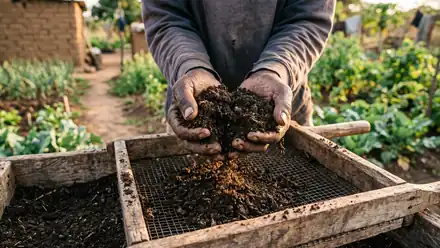
Every threat above hits a stressed, poorly-fed plant harder than a vigorous one — and peppers, being slow-growing and stress-sensitive by nature, have less margin for error than most vegetables you’ll grow (Seed Co). A pepper rooted in living, organic-matter-rich soil resists disease and shrugs off pest damage far better than one struggling in tired, exhausted ground. Building that soil with PCAT BLOCK C Organic Compost isn’t a pest treatment itself — it’s the foundation that makes every scouting habit and every targeted spray work harder across a season that can run four months or more. Start from read your soil before you spend if you haven’t tested yet.
Frequently asked questions
Is copper spray organic, and when should I use it on peppers? Copper hydroxide and copper oxychloride are widely accepted in organic/IPM systems as a protectant, later-line tool for bacterial spot and anthracnose (HortiFresh; CABI). It protects healthy tissue but doesn’t cure existing infection, so sanitation and clean seed come first.
What’s the first sign of bacterial wilt, and can I save the plant? Wilting starting in younger leaves that stay green and don’t drop, with a milky bacterial ooze from a cut stem in water (HortiFresh). There’s no spray cure — remove the plant, roots and all, immediately.
How do I know if I actually need to spray for red spider mite or aphids? Check the published thresholds rather than spraying pre-emptively: 8–14 mites per leaf for red spider mite, roughly 3–4 aphids per plant or 50% of leaves infested for aphids (HortiFresh). Below those numbers, natural enemies are usually managing it for you.
Are cutworms something I need to worry about? Less than you’d think — cutworms rarely cause economic damage, and the threshold is one larva per 100 plants (HortiFresh). Scout young seedlings for cut stems and clear debris; don’t spray unless the threshold is genuinely met.
Is fall armyworm a pepper problem, or just a maize problem? Fall armyworm’s primary host is maize, but the fruit-borer and caterpillar group Zimbabwean pepper guidance flags from first flowers to maturity (Seed Co) overlaps in scouting method with fall armyworm control. See beating fall armyworm organically.
Should I spray preventively even before I see pests or disease? No. Prevention, then scouting on a fixed schedule, then targeted intervention only once a published threshold is reached. Routine preventive spraying costs money and kills the natural enemies that would otherwise help for free.
Do this now
- Rotate away from Solanaceae — never follow peppers with tomato, eggplant or another pepper crop without a 3–4 year break.
- Start with clean seed and healthy transplants — the cheapest insurance against nearly everything on this list.
- Scout twice a week, checking leaf undersides, stems and fruit, and act on published thresholds, not appearance alone.
- Water at the base, never overhead, and never work wet foliage.
- Go cultural and biological before chemical — hand-removal, neem oil, soapy water, predatory mites.
- Reserve copper (and any spray) for genuine pressure, and build healthy soil so the plant you’re protecting starts strong.
PCAT BLOCK C — the locally-made, field-proven compost that rebuilds Zimbabwe’s tired, acidic soils, giving slow-growing, stress-sensitive crops like peppers the resilience to shrug off pest and disease pressure.
Related: growing peppers & chillies in Zimbabwe · beating fall armyworm organically · read your soil before you spend
- HortiFresh — Pest Management Guide for Sweet Pepper (thrips, mites, cutworm, bacterial and fungal disease thresholds)
- Seed Co — Pepper Production Guide (Zimbabwe-specific pest/disease spray schedule by growth stage)
- World Vegetable Center (WorldVeg) — Bacterial Wilt on Pepper factsheet
- CABI PlantwisePlus Knowledge Bank — Anthracnose disease of chilli: Colletotrichum spp.
- AgriUniverse Zimbabwe — Tomato production: requirements, growing, diseases, harvesting and marketing (Solanaceae damping-off)
Join our free mailing list and we'll send the full 2026/27 calendar plus weekly seasonal tips.