Common maize diseases — spot them, beat them
Grey leaf spot, maize streak, leaf blight and ear rots can quietly halve your maize — or wipe it out. Here's how to recognise them and manage them without relying on costly sprays.

A maize crop can look fine in December and be half-gone by February. The culprit is often disease — and because most smallholders can’t afford to spray, the winning strategy is prevention through the right seed and good husbandry, not chemicals.
Want a printable scouting guide? Join the mailing list.
Know the big four
In Zimbabwe and the region, four diseases cause most of the damage — and at their worst, total crop failure (Karavina):
- Grey leaf spot (GLS): long, rectangular grey-brown lesions between the leaf veins; worst in warm, humid conditions and where maize follows maize on trash.
- Maize streak virus (MSV): fine, broken yellow streaks running along the leaf; spread by leafhoppers, often from early “volunteer” maize.
- Northern leaf blight: long, cigar-shaped grey-green lesions.
- Ear/cob rots: mouldy, discoloured cobs — dangerous because some produce mycotoxins (aflatoxin) that make grain unsafe to eat or sell.
Beat them without breaking the bank
Because fungicides are often too costly, the most sustainable defence combines resistant seed with good practices (SAJS):
- Plant disease-resistant hybrids. This is the single biggest lever — CIMMYT and local breeders have bred varieties resistant to GLS, MSV and more (CIMMYT). Ask your agro-dealer what’s resistant in your area.
- Rotate crops. Breaking the maize-after-maize cycle starves leaf diseases of their host and reduces MSV (Karavina).
- Manage residues and volunteers. Don’t leave diseased trash or stray maize plants to carry disease into the new crop.
- Dry and store cobs well to stop ear rots turning into aflatoxin — see storing your maize.
Strong plants resist better
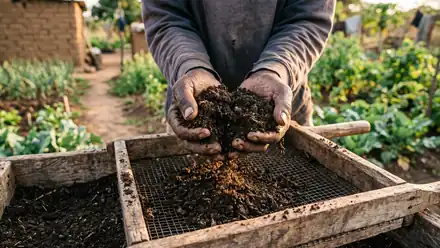
A vigorous crop on living, well-fed soil shrugs off disease pressure far better than a stunted one. Rebuilding soil with PCAT BLOCK C and rotating with legumes like soya gives your maize the strong start that is itself a form of disease defence.
Do this now
- Choose resistant hybrid seed for your area.
- Rotate maize with legumes.
- Clear diseased residues and volunteers.
- Dry and store well to stop ear-rot toxins.
PCAT BLOCK C — the locally-made, field-proven compost that rebuilds Zimbabwe’s tired, acidic soils.
Related: beat fall armyworm organically · the maize calendar
Join our free mailing list and we'll send the full 2026/27 calendar plus weekly seasonal tips.