Growing groundnuts on our acid sands
Groundnuts are a smallholder favourite — but yields have slid on Zimbabwe's sour, sandy soils. Here's how to give this calcium-hungry, nitrogen-fixing crop what it actually needs.
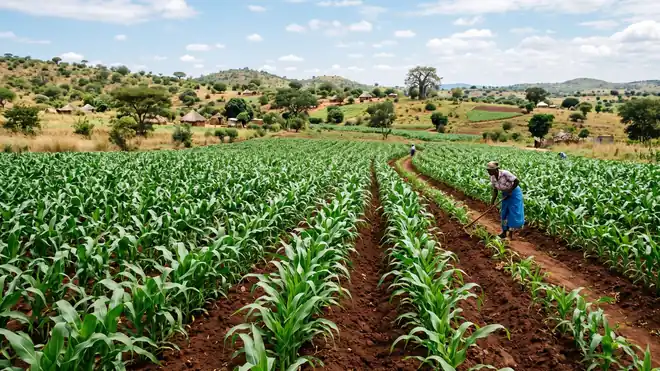
Groundnuts (nzungu) are one of Zimbabwe’s most important smallholder crops — a protein staple and a cash earner. Yet in the communal sector, pod yields have slid to under 500 kg per hectare, and acid, infertile soil is a big part of why (UP thesis). The good news: groundnuts reward the same soil-building you’d do for any crop — plus one special need.
Want our free crop guides? Join the mailing list.
Why groundnuts struggle on our soils
Most groundnuts grow on light, highly-weathered sands that are low in calcium, magnesium and phosphorus, and usually acidic — with toxic aluminium and manganese (FAO; UP thesis). That’s a hard start for any crop, and especially for groundnuts.
The calcium catch
Groundnuts are unusual: the pods form underground, and they pull the calcium they need straight from the soil around them. If the podding zone is short of calcium, you get poor pod-fill and “pops” (empty shells) — no matter how green the leaves look. So groundnuts need calcium where the pods develop, which is exactly what our sour sands lack.
Give the crop what it needs
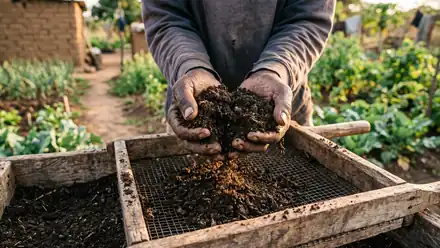
- Lift the soil first. Correcting acidity raises calcium and magnesium and frees up phosphorus (Nyamangara & Mpofu). Well-rotted manure and compost do this gently — research on Zimbabwean sandveld shows organic inputs steadily raise calcium, magnesium and pH.
- Add calcium at flowering (gypsum/“landplaster” is the classic choice) so it’s there when pods set.
- Inoculate. Like soya, groundnuts fix their own nitrogen with the right bacteria — so go easy on nitrogen fertiliser and let the crop work (see soya rotation).
- Rotate. Don’t plant groundnuts after groundnuts; rotate with maize to break disease cycles.
Where PCAT BLOCK C fits
Building organic matter with PCAT BLOCK C before the season raises pH and feeds the soil, tackling the acidity and low fertility that hold groundnuts back — the same soil-rebuilding that delivered 18 t/ha maize in the SCIT trials. Pair it with a calcium top-up at flowering and you’re giving this fussy crop both halves of what it wants.
Do this now
- Test and lift your soil — acidity is the hidden yield killer.
- Inoculate the seed and ease off nitrogen.
- Add calcium at flowering for full pods.
- Rotate groundnuts with maize.
PCAT BLOCK C — the locally-made, field-proven compost that rebuilds Zimbabwe’s tired, acidic soils.
Related: why your soil is probably acidic · soya rotation for free nitrogen
Join our free mailing list and we'll send the full 2026/27 calendar plus weekly seasonal tips.