Sorghum and small grains: the smart choice for dry regions
In Zimbabwe's drier regions, maize is a gamble. Sorghum, pearl millet and finger millet are built for heat and erratic rain — and modern varieties yield far more than they used to.
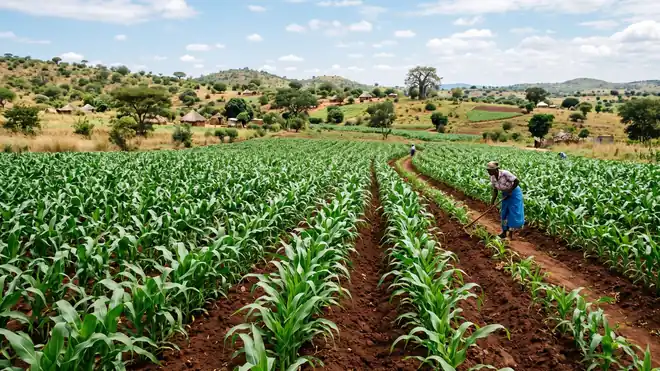
If you farm in Natural Region IV or V, you already know the heartbreak: you plant maize, the rains stutter, and the crop fails. There’s a better bet for dry country — and our grandparents knew it. Sorghum and the small grains are built for exactly these conditions.
Want region-by-region crop guides? Join the mailing list.
Why maize is a gamble here
In the drier regions, maize is a high-risk crop that often fails completely in a poor season (AAAE). It simply needs more steady moisture than these areas reliably give.
Why small grains win
Sorghum, pearl millet and finger millet are drought-tolerant by design — deep roots that chase moisture, and the ability to pause growth (go dormant) through a dry spell and recover when rain returns (Wiley). Maize may out-yield them in a good year, but small grains deliver a reliable harvest in the years that matter — the dry ones — which is what keeps food on the table.
And they’re no longer low-yielders: new ICRISAT and government hybrids have lifted potential dramatically — pearl millet hybrids up to around 6 t/ha and sorghum up to 8.7 t/ha under good management (small grains guide).
Grow them well
- Match the crop to your rainfall — the drier you are, the more you should lean on millet and sorghum over maize.
- Use improved seed — modern hybrids vastly out-yield old landraces.
- Watch for birds near harvest (a real cost in small grains) and the storage pests covered in our grain-storage guide.
Soil still decides the harvest
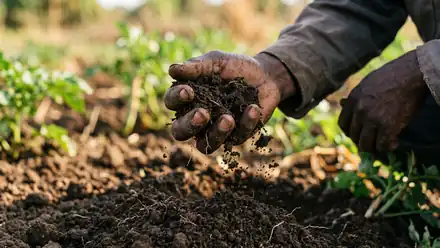
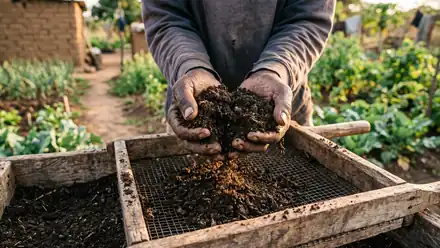
Drought tolerance gets you a crop; soil that holds moisture gets you a good one. Building organic matter with PCAT BLOCK C and mulching helps your land catch and keep every rain — the same soil-and-moisture logic behind the SCIT trials. In dry regions, that margin is the difference between a harvest and a failure.
Do this now
- In Region IV/V, plant small grains as your main staple, not maize.
- Buy improved hybrid seed.
- Build moisture-holding soil with compost and mulch.
PCAT BLOCK C — the locally-made, field-proven compost that rebuilds Zimbabwe’s tired, acidic soils.
Related: Pfumvudza basins · mulching to beat the dry spells
Join our free mailing list and we'll send the full 2026/27 calendar plus weekly seasonal tips.