Mulch: the cheapest way to beat the dry spells
A blanket of crop residue is the cheapest insurance against Zimbabwe's mid-season dry spells — it holds moisture, cools the soil, and feeds it as it breaks down.

Our rainy season isn’t one long soak — it’s a run of downpours broken by dry spells that can last a fortnight. The single cheapest way to carry your crop through those gaps is already lying in your field after harvest: crop residue, spread as mulch.
Want our free soil and water guides? Join the mailing list and we’ll send the set.
What mulch actually does
A layer of organic mulch is a core pillar of conservation agriculture in Zimbabwe (FAO), and the numbers are striking:
- It keeps water in the ground. Mulched plots have been shown to hold 15–32% more soil water than bare soil, by cutting evaporation and helping rain soak in instead of running off (MDPI Agriculture).
- It shields the soil. Mulch stops raindrops from sealing (“capping”) the surface, reduces erosion, and keeps the soil cooler and steadier in the heat (Trócaire).
- It feeds the soil. As residue breaks down it adds organic matter and recycles nutrients — exactly what our depleted sandy soils need.
One honest caveat: mulch can sometimes encourage mid-season weeds along with the moisture, so keep weeding.
How to mulch your land
- Don’t burn your stover. Spread maize stalks, leaves and dry grass across the soil surface instead — aim to keep the ground covered.
- Leave it in place. The goal is permanent cover; disturb the soil as little as possible.
- Top up each season as the old layer rots down.
Mulch on top, compost below
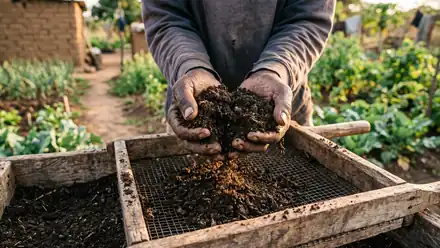
Mulch protects the surface; compost rebuilds what’s underneath. Work PCAT BLOCK C into the soil before the rains to lift organic matter and pH, then mulch over the top — together they turn a thirsty sandy field into one that catches and keeps every rain. That soil-and-moisture combination is exactly what drove the SCIT trial result of 18 t/ha maize.
Do this now
- Stop burning crop residue — it’s free mulch.
- Cover the soil after harvest and before the rains.
- Build organic matter underneath with compost so the soil holds more water.
- Keep weeding — moisture helps weeds too.
PCAT BLOCK C — the locally-made, field-proven compost that rebuilds Zimbabwe’s tired, acidic soils.
Related: planting maize for the rains · drip irrigation on a budget
Join our free mailing list and we'll send the full 2026/27 calendar plus weekly seasonal tips.