Pricing your produce: how to get more at the market
The gap between a good price and a giveaway is usually information and timing. Practical ways for Zimbabwean farmers to sell smarter — from Mbare Musika to your local buyer.

You can grow a beautiful crop and still lose money at the gate. For most Zimbabwean farmers, the difference between a fair price and a giveaway comes down to two things you can control: information and timing.
Want seasonal market and price tips? Join the free mailing list.
Know the price before you sell
The biggest single disadvantage smallholders face is poor access to market information — not knowing the going price or what buyers actually want, which traps them into whatever a middleman offers (IJDS). Reliable price information is a prerequisite for getting a better deal (IISTE). Before you load the truck:
- Phone ahead to two or three buyers or markets and compare.
- Track prices week to week so you know a good offer when you hear one.
Grade, clean and present
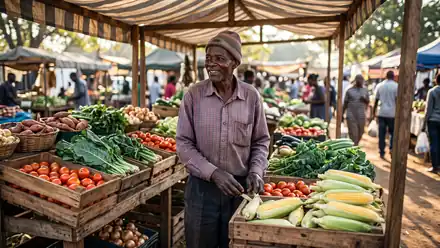
Informal markets like Mbare Musika often reward volume over strict quality — but clean, well-graded, well-packed produce still fetches more and sells faster. Sort by size and quality, wash where appropriate, and present it well.
Sell together
Farmers who market as a group consistently reach better, more remunerative urban markets than those going it alone (IJDS). Pooling produce means bigger, more consistent loads, shared transport, and more bargaining power against middlemen — who are useful for access but are widely seen as taking too large a cut (UP).
Time your supply
Prices crash when everyone harvests at once. Where you can, plan plantings to hit the gaps rather than the glut — staggered planting and a reliable supply make you the grower buyers come back to.
Quality starts in the soil
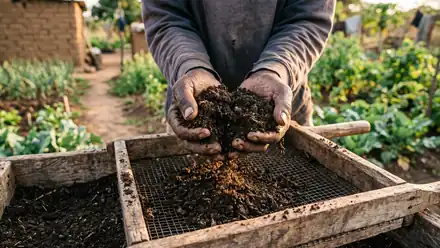
Consistent grade and steady volume — the things buyers pay a premium for — start with healthy soil. Fields rebuilt with PCAT BLOCK C produce a more even, reliable crop, which is easier to grade and sell as one lot.
Do this now
- Check prices with several buyers before you sell.
- Grade and clean every load.
- Join or form a marketing group.
- Stagger plantings to dodge the glut.
PCAT BLOCK C — the locally-made, field-proven compost that rebuilds Zimbabwe’s tired, acidic soils.
Related: the maize calendar · browse the Knowledge Hub
Join our free mailing list and we'll send the full 2026/27 calendar plus weekly seasonal tips.