Growing tomatoes for the market
Tomatoes are one of the best earners a smallholder can grow — and one of the trickiest. Get the spacing, staking and disease control right, and you've got a high-value crop.

Few crops pay a smallholder back like tomatoes — and few punish mistakes as quickly. Disease can wipe out a crop in days, and a glut can crash your price. Get the basics right and tomatoes become one of the most profitable things on your plot.
Selling at the market? Pair this with our guide on pricing your produce.
Plant for airflow
- Transplant seedlings when they’re 100–150 mm tall (about 4–5 weeks after sowing) (AgriUniverse).
- Space them roughly 1.0–1.5 m between rows and 0.5 m in the row — don’t crowd them.
- Stake every plant. Staking keeps fruit off the ground and, just as importantly, lets air move through the canopy — your first defence against disease.
Water at the base, not overhead
Tomatoes are thirsty but hate wet leaves. Water at the base (drip is ideal — see drip on a budget); overhead watering spreads blight. Research shows tomatoes can be grown well year-round on carefully scheduled, even deficit, irrigation (ACSJ).
Stay ahead of disease — organically first
- Early & late blight thrive in warm, wet, humid conditions. Prevent them: avoid overhead watering, remove the lower leaves, give plants space, and rotate with non-tomato-family crops. Copper-based sprays (copper oxychloride) are an accepted organic option if pressure is high (eHinga).
- Bacterial wilt — sudden wilting with a slimy ooze from the cut stem — has no spray cure. Pull and destroy infected plants at once, use certified clean seed, rotate for 3–4 seasons, and don’t over-apply nitrogen.
- Mites, whitefly, aphids: scout often, remove debris, hand-pick where you can.
Feed them from the soil up
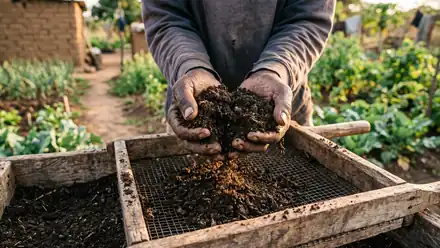
Tomatoes are heavy feeders that reward rich, living soil. Working PCAT BLOCK C Organic Compost into your beds rebuilds the soil these plants draw on — and strong, evenly-fed plants resist disease better and grade better at market.
Do this now
- Stake and space for airflow.
- Water at the base, never overhead.
- Rotate and use clean seed to dodge wilt and blight.
- Feed from rich soil for even, sellable fruit.
PCAT BLOCK C — the locally-made, field-proven compost that rebuilds Zimbabwe’s tired, acidic soils.
Related: pricing your produce · drip irrigation on a budget
Join our free mailing list and we'll send the full 2026/27 calendar plus weekly seasonal tips.