Farm records that win you a loan
A notebook is one of the cheapest tools on your farm — and one of the most powerful. Good records help you farm smarter and prove to a lender that you're worth backing.
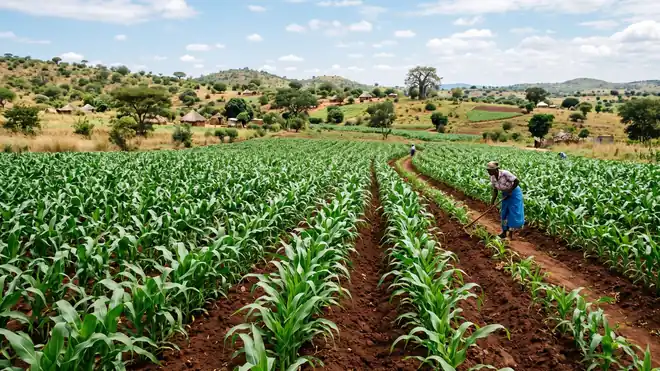
Most farmers carry their whole business in their heads. The ones who write it down make better decisions — and when they need a loan, they can prove they deserve one. A simple notebook is one of the highest-return tools on your farm.
Want a free, simple farm-record template? Join the mailing list and we’ll send our planner set.
Why records pay
Research is consistent: keeping financial records gives you a factual basis for decisions, sharpens your money management, and builds credibility with lenders (Frontiers). Farmers who track their income, costs and assets tend to be more profitable and better off (AJOL).
And when you go for credit, records are everything: a lender can only assess your risk and lend if you can show what you grow, what it costs and what it earns (Frontiers).
What to write down
You don’t need accounting training. Keep it simple and consistent:
- Money in: every sale — date, crop, quantity, price, buyer.
- Money out: seed, compost, fertiliser, labour, transport, fees.
- Per crop / per field: so you can see which actually makes money.
- Yields: what each field produced, season to season.
- Assets: tools, livestock, irrigation kit.
A single notebook, filled in weekly, is enough to start. Total it each season to find your real profit per crop.
Turn records into a stronger business
Once you can see the numbers, you can act on them: drop the crops that lose money, double down on the ones that pay, and time your selling (see pricing your produce). When you apply for inputs on credit or a loan, those same records are your evidence.
Do this now
- Get one notebook for the farm — today.
- Record every sale and every cost, weekly.
- Total each crop at season’s end to find what really pays.
- Keep the book — it’s your loan application.
PCAT BLOCK C — the locally-made, field-proven compost that rebuilds Zimbabwe’s tired, acidic soils.
Related: pricing your produce · browse the Knowledge Hub
Join our free mailing list and we'll send the full 2026/27 calendar plus weekly seasonal tips.